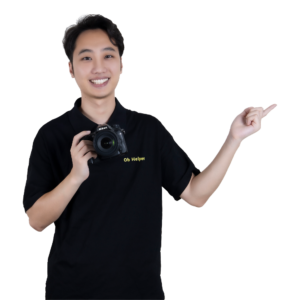
As a product photographer based right here in Yiwu, I work with sourcing merchants every day who have excellent products but struggle with poor photos. Many of them tell me the same thing: “I know my products are good, but the pictures just don’t show it.”
That’s why I want to share the complete professional workflow I follow in my studio. My goal is to help you understand exactly what happens during a proper shoot, why each step matters, and how it can make a real difference to your Amazon and 1688 sales.
This is not a quick overview — I’ll walk you through every important step in detail so you can see the value of investing in quality product photography in china.
Step 1: Product Preparation and Thorough Cleaning
The very first step in my workflow is always thorough product preparation and cleaning.
No matter how good the product is, if it has dust, fingerprints, label residue, or marks from transportation, it will look unprofessional in photos. I spend time carefully cleaning every item — wiping surfaces, removing stickers completely, and making sure nothing distracts from the product itself.
Many merchants skip this step when taking phone photos, and it shows. Clean products photograph much better and help buyers focus on quality rather than flaws. Taking the time to do this properly is one of the easiest ways to make your products look more premium without changing anything about the actual item.

Step 2: Professional Lighting Setup
Once the products are clean, the next critical step is setting up professional lighting.
I use controlled studio lights to achieve accurate color reproduction and soft, even illumination. The goal is to eliminate harsh shadows while highlighting texture, material details, and finish.
Phone photos taken in hotel rooms or under market lighting often create color shifts and ugly shadows that make products look cheaper than they are. Proper lighting ensures buyers see the true quality of what you sourced in Yiwu. This step requires experience and the right equipment, which is why many merchants see a big improvement when switching to studio photography.
I always adjust the lights based on the specific product — fabric needs different treatment than metal or silicone, for example. This attention to detail is part of how I help merchants present their goods in the best possible way.
Step 3: 60/40 Shooting Ratio
After lighting is ready, I shoot using a carefully balanced 60/40 ratio:
- 60% White Background Images: These clean, crisp shots meet Amazon, 1688, and other platform technical requirements. They provide a consistent, professional look across your listings.
- 40% Lifestyle and Usage Scenes: These images show the product in real-life contexts — for example, a kitchen tool actually being used, or storage organizers helping tidy a space. Lifestyle shots help buyers visualize owning and using the product, which strongly influences purchasing decisions.
This ratio is not random. It has been refined over many shoots to balance platform compliance with sales performance. Merchants who follow this approach often report higher engagement and better conversion rates because the photos both look professional and tell a story.
Step 4: Real-time Adjustments and Local Fast Delivery
One of the biggest advantages of working with a local Yiwu studio is speed and flexibility.
Because I’m based here, merchants can stay during the shoot, see the images on the monitor in real time, and give immediate feedback. If something doesn’t match their brand vision, we can adjust angles, lighting, or composition on the spot.
This is something that’s almost impossible when sending products to Shenzhen or overseas studios. Many times, products sourced in the morning can have professional photos ready by the afternoon or next day. This fast turnaround helps merchants launch new listings quicker and stay competitive in fast-moving markets.
After shooting, all images go through careful editing to ensure they look natural while meeting platform standards.

Why This Workflow Matters for Your Business
When you follow these detailed steps, the improvement is usually very noticeable. Products look cleaner, more premium, and more trustworthy. Buyers stay longer on your listings and are more likely to add items to cart.
From my experience, merchants who upgrade to professional yiwu product photography see better click-through rates, higher conversion, and fewer returns. High-quality images are one of the highest-ROI investments you can make when scaling a sourcing business in China.
Recent industry reports confirm this: professional product photography can increase conversion rates by 2-4x on average. See the 2026 e-commerce photography benchmark report. Shopify’s research also shows that good lighting and composition play a major role in building buyer confidence and reducing returns. Read Shopify’s product photography guide.
My Sincere Suggestion to You
If you are currently struggling with phone photos or feel your listings could perform better, I encourage you to try the professional workflow for yourself.
Bring just 1–2 of your products to my Yiwu studio for a free test shoot. You will experience the full process — from cleaning to final images — and see the real difference with your own eyes. There is no cost and no obligation.
I offer this free test because I genuinely want to help serious sourcing merchants improve their results. Many merchants who started with a test shoot later became regular clients after seeing the impact on their sales.
- Book Your Free Test Shoot: https://obhelper.cn/
Related Stories from the Studio
- White Background vs Lifestyle – Which Converts Better?
- Yiwu vs Shenzhen: Real Cost and Speed Comparison
- Before vs After: Real Sales Increases
Your products already have good quality. I hope the professional product photography in china workflow can help you show the world exactly how good they are.